
Plants of dunes, wetlands and waterways
Waikawa Beach supports a remarkable variety of plants across its dunes, wetlands, waterways, estuary margins and gardens. Some species are uniquely adapted to shifting sands and salt spray, while others thrive alongside streams, wetlands and damp ground. Together they stabilise dunes and streambanks, reduce erosion, improve water quality and provide food and shelter for birds, insects and other wildlife. Many of these plants are naturally suited to local conditions and can make excellent additions to home gardens, helping strengthen habitat connections across the wider landscape. The restoration and protection of healthy plant communities sits at the heart of much of WBEG's work and underpins the health and resilience of Waikawa Beach's unique environment. Every plant established in the right place helps strengthen biodiversity, support wildlife and create healthier environments for future generations.
To help identify coastal plants in our environment and to provide guidance on restoration of our sand dunes back to their natural state, Horizons Regional Council have provided a flyer titled Coastal Planting for sand dune restoration.
To read the full HRC flyer, including a comprehensive list of coastal plants, click here or click on the flyer image.
The content shown below has been compiled by WBEG from various sources. More comprehensive information on each plant can be accessed by clicking on an image.


Sand Daphne Autetaranga
Autetaranga also known as sand daphne or Pimelea villosa, is a unique plant endemic to New Zealand. This sprawling shrub is typically found in sandy coastal areas, where it plays a crucial role in stabilizing sand dunes...

Shore Convolvulus Pōhuehue
Shore Convolvulus, also known as Sea Bindweed, is a perennial vine that thrives in the coastal areas of New Zealand. This plant is commonly found on sandy beaches and dunes, where it plays a crucial role in stabilizing the sand and preventing erosion...

Cottonwood Tauhinu
Tauhinu is a hardy shrub native to New Zealand, commonly found in coastal dune environments. This plant is well-adapted to the challenging conditions of the dunes, including high winds, salt spray, and sandy soils...

Spinifex Kōwhangatara
Coastal spinifex, also known as Kōwhangatara is a native grass species found along the sandy beaches of New Zealand. It is easily recognizable by its silvery, rough appearance and its unique seed heads that resemble spiky balls. The seed heads...

Golden Sand Sedge Pingao
Pīngao is a sand-binding sedge that plays a vital role in New Zealand’s dune ecosystems. This grass is easily recognisable by its stiff, curled leaves that range in color from brilliant green to golden yellow and fiery orange as they mature...

Knobby Club Rush Wīwī
Knobby Club Rush, also known as Wīwī, is a hardy native sedge found in coastal areas, particularly on sand dunes, sandy margins and around the backs of estuaries. Its upright, rush-like stems and distinctive rounded brown flower heads make it easy to recognise...
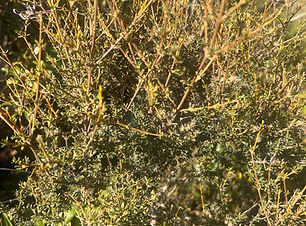
Coastal Tree Daisy Tākupurenga
Coastal Tree Daisy is a hardy native shrub that thrives in exposed coastal environments. Its white flowers provide an important food source for insects and pollinators, while its dense growth offers shelter for birds and helps protect more vulnerable plants from...

Ngaio Ngaio
Ngaio is one of New Zealand's signature coastal trees, naturally thriving on windswept shorelines where few other trees can tolerate salt spray and strong coastal conditions. Its glossy leaves and spreading branches provide year-round shelter close to the sea...

Cabbage Tree Tī Kōuka
Cabbage Tree, also known as Tī Kōuka, is one of New Zealand's most recognisable native trees and is commonly found growing beside wetlands, streams and damp lowland areas. Its distinctive trunk and dramatic crown make it a familiar feature across...

Toetoe Toetoe
Toetoe is a graceful native grass commonly found along waterways, wetlands and coastal margins throughout New Zealand. Its tall flowering plumes sway in the breeze, creating one of the country's most recognisable natural landscapes...

New Zealand Flaxes Harakeke
Harakeke is one of New Zealand's most significant native plants, valued for both its cultural importance and ecological role. WBEG plants two species suited to different environments: Phormium tenax in wetlands and damp riparian areas, and...

Golden Sand Coprosma Mingimingi
Golden Sand Coprosma is a hardy native coastal shrub naturally found on sand dunes and exposed coastal environments throughout New Zealand. Its dense branching habit allows it to thrive where salt spray...

Sedges Pūrei
Giant Sedge is one of New Zealand's most important wetland plants and is commonly found growing along stream edges, wetlands and damp ground. Upright Sedge is a hardy native sedge that thrives in damp soils and stream margins...

Coprosma Robusta Karamū
Karamū is a fast-growing native shrub commonly used in restoration projects because it establishes quickly and provides shelter for slower-growing species. Its berries are an important food source for native birds, which in turn help disperse seed and...

Akeake
Akeake is a hardy and adaptable native shrub that is well suited to exposed sites and challenging growing conditions. Its dense foliage provides shelter for birds and insects, while its resilience makes it an excellent species for helping establish vegetation...

Kanuka
Kānuka is one of New Zealand's iconic pioneer species and plays an important role in ecological succession and habitat restoration.Fast growing and hardy, Kānuka provides shelter for other native plants while creating valuable habitat for birds, insects...

Pittosporum Kōhūhū
Pittosporum, also known as Kōhūhū, is a fast-growing native tree that is widely used in restoration projects throughout New Zealand. Its fragrant flowers attract native insects and pollinators, while its dense canopy provides shelter and nesting opportunities for birds.

Lancewood Horoeka
Lancewood is one of New Zealand's most distinctive native trees, famous for its dramatic juvenile form with long, narrow, downward-pointing leaves. As it matures, the tree transforms into a broad-canopied adult, making it one of the most remarkable...

Muehlenbeckia Pōhuehue
Muehlenbeckia complexa is a hardy native scrambling and climbing plant commonly found throughout coastal environments, dunes and estuary margins around New Zealand. Its dense, interwoven growth provides valuable shelter and habitat for...

Heading
Text

Heading
Text