
Birds, fish and small creatures
Waikawa Beach is home to an extraordinary diversity of wildlife across its dunes, wetlands, waterways, estuary and coastal environments. Some species are permanent residents, some are migratory visitors and others appear only occasionally, but all contribute to the character and ecological richness of our local environment. Many species depend on healthy habitats and connected ecosystems to survive and thrive, while others have adapted to live alongside people in our modified landscapes.
The species featured below each tell part of Waikawa Beach's environmental story and demonstrate the importance of protecting and restoring the habitats that support them. Every wetland restored, every streambank planted and every dune protected contributes to healthier ecosystems and positive outcomes for wildlife.
Watch out for the nesting birds.
We're incredibly fortunate to share Waikawa Beach with an extraordinary variety of resident and migratory birdlife. Depending on the season, visitors may spot Caspian Terns, Dotterels, Godwits, Oystercatchers, Pied Stilts and many other species enjoying our unique coastal environment alongside the familiar seagulls. However, these birds also have to share this special place with us humans, and that can sometimes be challenging...

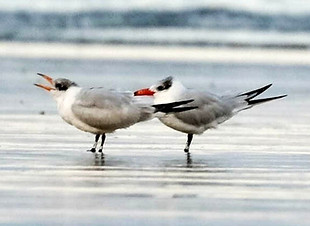
Caspian Tern Tarā nui
The Caspian Tern (Hydroprogne caspia), known in Māori as Taranui, is the largest tern species globally and a striking presence along New Zealand’s coastlines. With a wingspan of up to 1.3 meters and a bright red bill, it resembles a gull in size but maintains...

Dotterel Tūturiwhatu
The New Zealand Dotterel, also known as the tūturiwhatu, is a small shorebird endemic to New Zealand. It is characterised by its distinctive red-breasted plumage during the breeding season, which fades to a more subdued brown and white in the...

Godwit Kuaka
The Godwit flies between Aotearoa New Zealand and the Arctic every year to feed and breed. They are a similar size to the more delicate Pied Stilt. The Godwits arrive visibly exhausted, their wings drooping and bodies depleted from the marathon flight. Yet, they...

Oystercatchers Tōrea /
Tōrea pango
Waikawa Beach is fortunate to host both of New Zealand's beautiful oystercatcher species. The familiar black and white South Island Pied Oystercatcher (Tōrea) is often seen feeding along the shoreline, estuary...
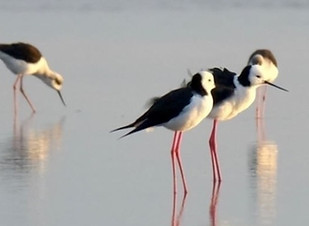
Pied Stilt Poaka
The Pied Stilt, also known as the Poaka (Himantopus himantopus leucocephalus), is a wading bird native to New Zealand, easily recognised by its long pink legs, slender black bill, and contrasting black-and-white plumage. Although not endemic to New Zealand, the...

Light Mantled Sooty Albatross
Toroa pango
The Light-mantled Sooty Albatross, is one of the most graceful seabirds found in the Southern Ocean. With its sleek, chocolate-brown plumage and distinctive pale grey mantle, this Albatross is often considered,..

Shag Kawau
Shags are a familiar sight around Waikawa Beach and can often be seen perched with wings spread wide to dry after diving for fish.
Several species occur around New Zealand waterways and estuaries, where they play an important role as fish predators within...

Mallard Duck Rakiraki
Mallards are New Zealand's most familiar duck and are commonly seen throughout Waikawa's waterways, ponds and wetlands.
Originally introduced from overseas, they have adapted extremely well to New Zealand conditions and are now widespread...

Grey Duck Pārera
The Grey Duck is New Zealand's native duck and is now much less common than the introduced Mallard. One of the greatest threats to the species is hybridisation with Mallards, which has contributed to declining numbers of pure Grey Ducks throughout...

The New Zealand Dabchick is one of our smaller freshwater birds and is often seen quietly diving beneath the surface of ponds and wetlands in search of insects and aquatic life. Excellent swimmers and divers, Dabchicks can disappear underwater for...

New Zealand Scaup Pāpango
The Pāpango, or New Zealand Scaup, is New Zealand's only native diving duck and is a regular visitor to many of Waikawa Beach's ponds, wetlands and quiet waterways. Unlike dabbling ducks such as Mallards, Pāpango dive beneath the water's surface to feed...

Black Swans are a familiar and elegant sight on many New Zealand waterways and are regularly seen around Waikawa Beach. Although not native to New Zealand, they have become a well-established part of our freshwater landscapes and are often seen...

Canada Goose
Canada Geese are another introduced species that have become well established throughout New Zealand and are a regular feature of the Waikawa landscape. Their distinctive calls and characteristic V-shaped formations overhead are familiar to many...

White-faced Heron
Matuku Moana
White-faced Herons are elegant hunters that patrol the edges of streams, ponds and wetlands searching for fish, insects and small aquatic animals.Patient and deliberate, they can stand motionless for long periods...

The White Heron is one of New Zealand's most treasured and elegant birds and is rarely seen outside its single breeding colony on the West Coast. Visitors to Waikawa Beach are occasionally rewarded with sightings of these magnificent birds feeding...

Royal Spoonbill
Kōtuku-ngutupapa
Royal Spoonbills are striking white birds easily recognised by their distinctive spoon-shaped bills, which they sweep from side to side through shallow water to catch small fish, insects and aquatic creatures. Although once considered rare visitors to...
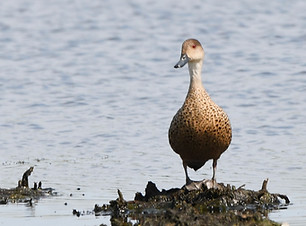
Grey Teal
Tētē-moroiti
The Grey Teal, also known as Tētē Moroiti. is one of New Zealand's most widespread native ducks, commonly found on wetlands, lagoons, estuaries, lakes and slow-flowing rivers. These small, agile ducks are often seen in pairs or small flocks, quietly...

Black-billed Gull
Tarāpuka
The Black-billed Gull, also known as Tarāpuka, is one of New Zealand's rarest endemic gulls and is classified as nationally endangered. Although it breeds mainly on the braided rivers of the South Island, many birds disperse to coastal estuaries, beaches and...

Bittern Matuku-hūrepo
The Bittern is one of New Zealand's most elusive and threatened wetland birds and we are fortunate to have sightings recorded within the wider Waikawa Beach area.Bitterns are rarely seen due to their secretive behaviour, excellent camouflage...
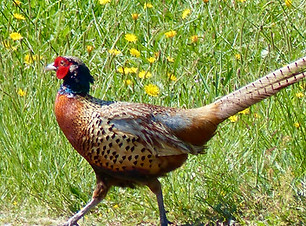
Common Pheasant Te Hihi
The Common Pheasant is an introduced species that has become a familiar sight throughout rural New Zealand and is regularly seen around Waikawa Beach paddocks, stream margins and wetland edges. Often heard before they are seen...
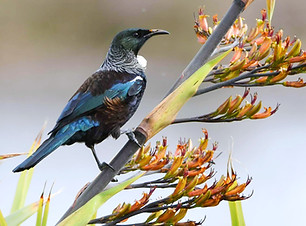
Tui
With their unmistakable song and distinctive white throat tuft, Tūī are among New Zealand's most recognisable native birds.They play an important role as pollinators, feeding on nectar from native plants and helping many species...

New Zealand Wood Pigeon Kererū
Kererū (New Zealand Wood Pigeon) are one of New Zealand's most iconic native birds and are becoming an increasingly common sight around Waikawa Beach as native planting projects mature and provide more food...

Pūkeko
Pūkeko are among New Zealand's most recognisable wetland birds and are a familiar sight around Waikawa Beach's ponds, drains, wetlands and stream margins. With their striking blue and black plumage, red bill and long legs, Pūkeko are highly adaptable...
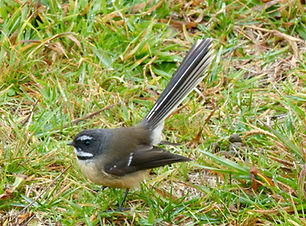
Fantail Pīwakawaka
Pīwakawaka are one of New Zealand's most friendly and inquisitive native birds, often following gardeners and volunteers as they search for insects disturbed by footsteps and spades.Their distinctive fanned tail and energetic flight make them favourites...

Silvereye Tauhou
The Silvereye is one of Waikawa Beach's most familiar garden birds, often seen flitting through shrubs and trees in small, busy groups. Interestingly, their Māori name, Tauhou, means "new arrival" as they are believed to have naturally...

Kingfisher Kōtare
The Kōtare is one of Waikawa Beach's most recognisable native birds and can often be seen perched patiently on fence posts, driftwood, cabbage trees and power lines watching for its next meal. Although often associated with water, Kingfishers are...

Harrier Hawk Kāhu
The New Zealand Falcon, often referred to locally as the Native Hawk, is New Zealand's only remaining native bird of prey and one of our fastest and most impressive hunters.
Capable of speeds exceeding 100 kilometres per hour when diving for prey, Kārearea...

Fur Seal Kekeno
New Zealand Fur Seals are occasional visitors to Waikawa Beach and can sometimes be seen resting on the sand or among driftwood, particularly during the cooler months. Young seals often travel considerable distances while exploring...
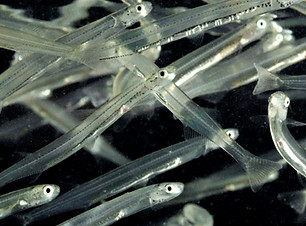
Whitebait Inanga
Whitebait are among New Zealand's most iconic freshwater species and spend different stages of their lives moving between rivers and the sea. Healthy stream margins, wetlands and spawning habitat are essential to their survival, making them an important...

Longfin Eel Tuna
New Zealand's Longfin Eel is one of our most remarkable native species, capable of living for many decades before undertaking an extraordinary migration thousands of kilometres into the Pacific Ocean to breed. Tuna depend on healthy waterways and...
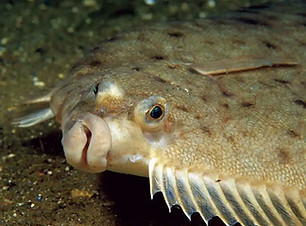
Flounder Pātiki
Flounder are a familiar species within estuaries and coastal waterways, spending much of their lives on sandy and muddy bottoms where they feed on small invertebrates. Healthy estuaries and good water quality are essential for supporting...

Green and Golden Bell Frog Matuku-hūrepo
The Green and Golden Bell Frog is an introduced species that has become extremely well established around Waikawa Beach and is responsible for much of the familiar evening chorus heard around ponds...

Katipo Spider
The Katipō is one of New Zealand's most famous native spiders and is found almost exclusively within coastal dune environments. Traditionally associated with driftwood, dune vegetation and the upper beach, Katipō spiders build their webs close to the ground...